
Why Does Massage Make You Feel So Tired?
Your Nervous System Has Two Modes And Most People Are Stuck in the Wrong One
Your autonomic nervous system runs everything you don’t consciously control — heart rate, digestion, breathing, muscle tension, immune response. It operates in two states.
The sympathetic state is your fight-or-flight system. It is designed for short-term threats — a car pulling out in front of you, a deadline, a confrontation. Your heart rate climbs. Your muscles tighten. Cortisol and adrenaline flood your bloodstream. Non-essential functions like digestion and tissue repair get quietly switched off.
The parasympathetic state is the opposite. Rest and digest. Heart rate drops. Muscles release. Digestion resumes. Tissue repair and immune function switch back on. Your body does the maintenance work it has been postponing.
The problem is that modern life keeps most people locked in sympathetic dominance. Not because of actual physical threats — but because your nervous system does not distinguish between a charging bear and an overflowing inbox. Chronic low-level stress keeps cortisol elevated, keeps muscles in a state of mild but constant guarding, and quietly exhausts your body’s repair systems over weeks and months.
Massage is one of the most effective ways to physically force a shift from sympathetic to parasympathetic — and the science behind how it does that is worth understanding.
The Vagus Nerve: The Switch Your Therapist Activates
The vagus nerve is the longest cranial nerve in the human body. It runs from your brainstem down through your neck, chest, and abdomen, connecting your brain to your heart, lungs, and digestive system. It is the primary pathway of the parasympathetic nervous system.
When the vagus nerve is activated, heart rate slows, breathing deepens, blood pressure drops, and the body shifts into repair mode. This is called vagal tone — and people with high vagal tone generally handle stress better, sleep more soundly, and recover from illness and injury faster.
Here is the part most people don’t know: mechanical pressure on the skin and muscles directly stimulates vagal activity. When an RMT applies slow, sustained effleurage strokes — particularly along the neck, upper back, and thoracic spine — they are physically activating vagal pathways. The long, rhythmic strokes of Swedish massage are especially effective at this. The effect is measurable: research suggests that massage can produce a meaningful reduction in heart rate and a shift in heart rate variability that indicates increased parasympathetic activity.
This is why the pacing of a skilled massage therapist matters as much as the pressure. Slow, deliberate strokes signal safety to your nervous system. Fast, choppy pressure does not produce the same effect.
What Happens to Cortisol During a Massage
Cortisol is your primary stress hormone. In the short term it is useful — it mobilises energy and sharpens focus. Chronically elevated, it degrades sleep quality, suppresses immune function, increases muscle tension, and contributes to anxiety and mood disruption.
Research consistently suggests that massage therapy can reduce salivary cortisol levels — meaning the cortisol circulating through your body measurably drops during and after a session. Some studies have found reductions in the range of 30 percent following massage, with corresponding increases in serotonin and dopamine — the neurotransmitters involved in mood regulation, motivation, and calm.
This is why a good massage can improve sleep quality for several nights afterward. It is not just that your muscles feel looser — your hormonal baseline has shifted, at least temporarily.
Muscle Guarding — The Physical Signal Your Body Has Been Holding
When your sympathetic nervous system stays activated, your muscles do not fully relax. They maintain a background level of contraction — muscle guarding — as a protective response. This is partly why people under chronic stress often carry their shoulders near their ears without realising it, or wake up with a clenched jaw.
Your upper trapezius, levator scapulae, and the suboccipital muscles at the base of your skull are particularly prone to this. They are the muscles most directly involved in the startle-and-brace response, and they are the last to let go when the nervous system finally settles.
When an RMT works through these areas with sustained pressure and careful myofascial release, the mechanical input travels through mechanoreceptors in the fascia and muscle tissue, signalling the spinal cord and brain that the threat state is unnecessary. The muscle spindles — the sensory organs embedded in muscle fibres that regulate tension — begin to reset. This is called autogenic inhibition, and it is why prolonged, patient pressure works better than aggressive digging when releasing a hypertonic muscle.
The tiredness you feel afterward is partly your muscles releasing a contraction they have been holding, sometimes for months. That release takes energy. It is also partly your brain catching up to the shift — moving from high alert to actual rest.
Why You Feel Slightly Light-Headed After Getting Off the Table
The vasodilation that occurs during massage — the widening of blood vessels as the parasympathetic state takes over — slightly lowers blood pressure. When you sit up quickly after 60 or 90 minutes of deep relaxation, your cardiovascular system needs a moment to adjust. The light-headedness is a normal physiological response, not a cause for concern.
This is why RMTs typically allow a few minutes at the end of a session, recommend sitting up slowly, and suggest drinking water afterward. The water helps with circulation and assists the body in clearing the metabolic byproducts released from worked tissues back into the bloodstream.
The Sleep Connection
One reason massage improves sleep quality is serotonin. Serotonin is a precursor to melatonin — the hormone that regulates your sleep-wake cycle. The same neurochemical shifts that produce that post-massage calm in the afternoon can result in deeper, longer sleep that night, particularly in people who have been sleeping poorly due to stress or pain.
Research on massage and sleep has shown benefits across a range of populations — people with chronic pain, anxiety, shift workers, and older adults. The mechanism is not complicated: when cortisol is lower and serotonin is higher, sleep architecture improves.
FAQ
Why do I feel sore the day after a massage if it’s supposed to relax me?
Soreness 24–48 hours after a deep tissue session is common and normal. When an RMT works into deeper muscle layers, metabolic waste products are released from the tissues into the circulatory system. The soreness is similar to mild delayed onset muscle soreness after exercise — it is your tissue adapting, not a sign that anything went wrong. It typically resolves within 48 hours and is less pronounced after subsequent sessions.
How long does the relaxation effect last?
The immediate parasympathetic response — the calm, heavy feeling — typically lasts several hours. The cortisol reduction and improved sleep quality can persist for several days. For people dealing with chronic stress or ongoing pain, regular massage — every three to four weeks — can help maintain a lower baseline of sympathetic activation over time.
Does it matter what type of massage I get for this effect?
Yes. Slow, rhythmic techniques — Swedish massage in particular — are most effective at activating the parasympathetic response and stimulating vagal tone. Deep tissue work produces more intense muscle changes but delivered skillfully, with appropriate pacing, it can produce the same nervous system shift. Sports massage and faster tapotement techniques are more stimulating — intentionally so — and are less suited to pure relaxation goals.
That tired, calm, slightly drifting feeling after a massage is your nervous system doing exactly what it is supposed to do. For many people, it may be the only hour in their week when their body actually stops bracing.
URest Massage is a Registered Massage Therapy clinic in Edmonton, Alberta. Book at urestmassage.com
GEMINI IMAGE PROMPT
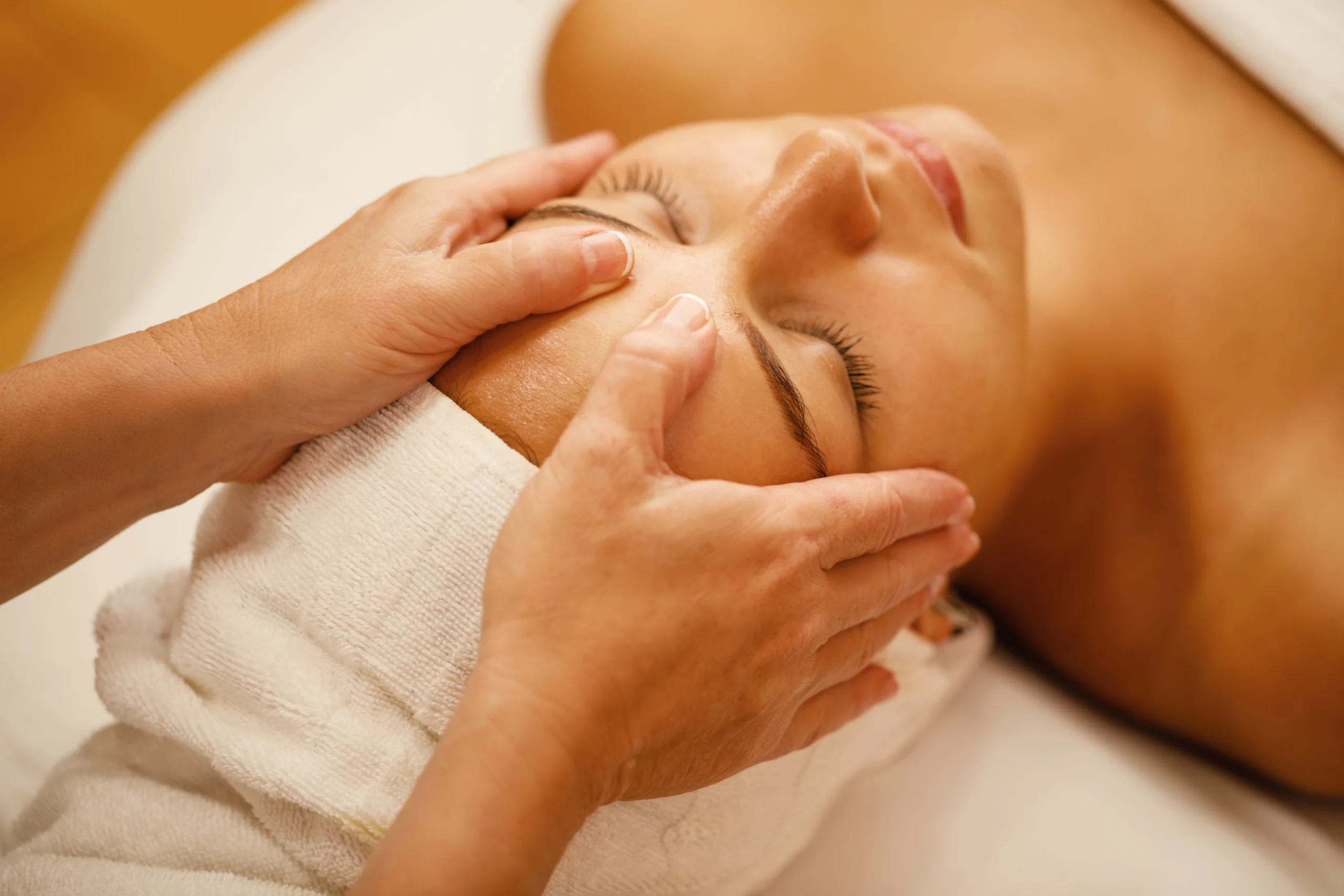
Gemini image prompt for URest Massage Edmonton. Context: blog post about the calming and sleep-inducing effects of massage therapy — science and nervous system focus. Show: a professional RMT clinic setting, clean and modern with teal and white tones, warm soft lighting. A client lying face-up or face-down on a treatment table, fully draped with a clean white sheet, visibly relaxed — eyes closed, shoulders soft, body completely at rest. The therapist’s hands resting gently on the client’s upper back or neck area, professional and purposeful. The atmosphere should feel genuinely peaceful — quiet, warm, clinical without being cold. No exposed skin beyond neck and upper shoulders. No suggestive positioning. Style: luxury wellness clinic, not budget spa. Horizontal format for blog header.
FACT-CHECK NOTE
All health claims in this article use Health Canada approved language — “research suggests,” “can produce,” “may help maintain” — and accurately reflect the current understanding of massage therapy’s effect on the autonomic nervous system, cortisol, and vagal tone as supported by published literature. No curative or diagnostic claims are made.
SEO NOTE
Main keyword: why does massage make you tired Meta description (158 chars): Massage triggers your parasympathetic nervous system, drops cortisol, and activates the vagus nerve. Here’s the science behind that post-massage calm and tiredness. Image alt text: Client resting on massage table in Edmonton RMT clinic, fully draped, eyes closed, deeply relaxed after massage session Suggested internal link: URest services page (deep tissue massage or Swedish relaxation) — anchor text: “Swedish massage” or “deep tissue massage in Edmonton”